

A career changer resume usually fails for a reason that has nothing to do with talent. The skills are real. The results are real. The problem is the language. Someone who spent eight years running a busy café describes it as “managed a restaurant”, while the hiring manager in a project coordination team is scanning for “led a team of 20, controlled a six-figure budget and delivered to tight deadlines”. Same experience, different language. Nobody labels it a skill gap, but it behaves exactly like one. We call it the experience translation gap.
In Australia, this gap is getting expensive. Recruiters on SEEK and LinkedIn often spend only seconds on each application, and many employers run an applicant tracking system (ATS) that matches keywords before a human reads a single line. If your career changer resume speaks the dialect of your old industry, you can be a strong match on paper and still end up in the reject pile. This guide explains why it happens, how to spot it in your own application, and how to fix it with a practical method you can finish in a weekend.
What Is the Experience Translation Gap?
The experience translation gap is the distance between what you actually did and how you described it. Every industry has its own vocabulary. Teachers talk about “differentiated learning plans”. Nurses talk about “clinical handover”. Retail managers talk about “rostering and shrinkage”. Inside those worlds, the words carry weight. Outside them, they are just noise.
A strong career changer resume has to do something an ordinary resume does not: convince a stranger from a different field that your past is relevant to their future. That means translating, not just listing. Three things usually go wrong:
- Industry jargon. Terms that only made sense to your old employer, such as “front-of-house”, “case load” or “site induction”.
- Duties instead of outcomes. The resume says what you were responsible for, not what changed because you were there.
- Missing target vocabulary. The exact words used in the job ad, like “stakeholder”, “requirements”, “reporting” or “agile”, never appear.
Why Career Changers Describe Skills in the Wrong Language
It is rarely carelessness. Most people fall into the same four traps, and recognising them is half the fix for any career changer resume.
1. You wrote for people who already trusted you
Your old resume was probably written for managers who understood your industry. They did not need anything explained. A new employer does, because they have no reason to guess how a hospitality supervisor’s skills apply to a business analyst role.
2. You undervalue the things you do every day
Skills that feel ordinary to you are often the ones employers pay for. Chasing down missing information, explaining a complicated process to a nervous customer or fixing a rostering clash are all examples of problem solving, communication and process improvement. You just never called them that.
3. Your job title hides the real work
“Office Manager” sounds administrative. In practice it might include budgeting, supplier negotiation, software rollouts and compliance reporting. When the title says one thing and the work says another, the recruiter only reads the title.
4. Nobody taught you the target language
Every new field comes with its own vocabulary of tools, frameworks and certifications. In IT and business roles you will see terms like Scrum, Power BI, user stories, test cases, risk register and incident response. If you have never worked in that world, you will not know which of your experiences map to those words.
How Employers and ATS Software Read a Career Changer Resume
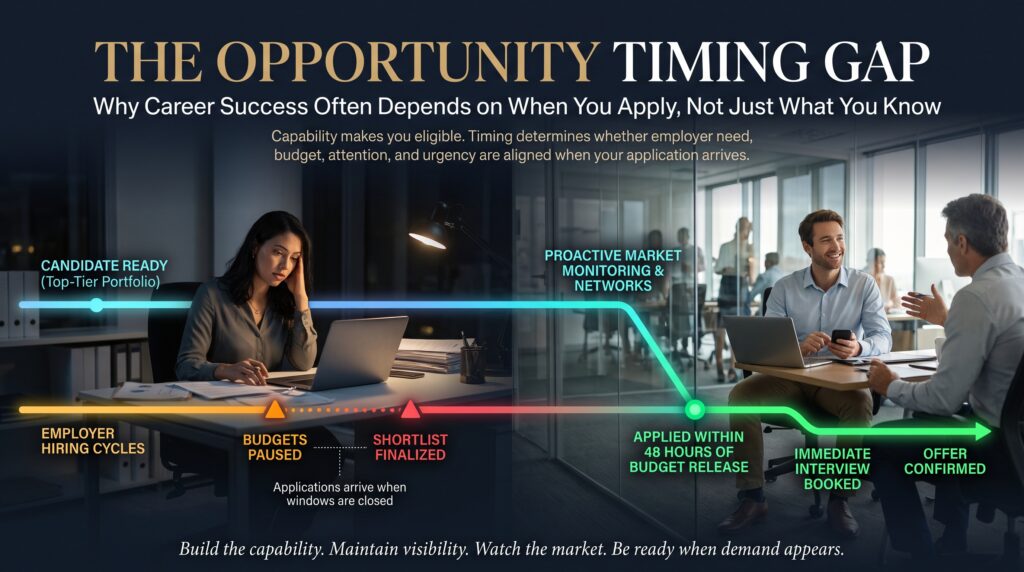
Understanding the reader changes how you write a career changer resume. An ATS scans for job titles, skills, tools and qualifications that match the advertisement. Then a recruiter, often managing dozens of roles at once, gives the survivors a quick scan. They are asking one question: can this person do the job we need?
If your resume forces them to work out the connection themselves, most will not bother. Career advice hubs such as the SEEK career advice section consistently recommend tailoring every application to the specific role, and for a career changer resume that tailoring is not optional. It is the whole game.
Our related guide on how recruiters use ATS software to filter resumes explains the screening process in more detail.
Experience Translation Table: Old Language vs Target Language
Here is what translation looks like on a real career changer resume. Notice that nothing in the right-hand column is exaggerated. It is the same work, described the way the new field would describe it.
| What you wrote | How to translate it | Target field |
| Handled customer complaints | Resolved escalated issues, identified root causes and recommended process fixes | Business analysis, IT support |
| Managed the team roster | Coordinated resourcing for 18 staff, balancing demand, budget and compliance | Project coordination |
| Did the monthly stocktake spreadsheet | Built and maintained Excel reports to track inventory accuracy and flag variances | Data analytics |
| Taught Year 9 maths | Explained complex concepts to varied audiences, tracked performance data and adjusted the approach | Training, data, business analysis |
| Did the books for a family business | Managed invoicing, reconciliation and monthly financial reporting | Data analytics, Power BI |
| Checked products before shipping | Performed quality checks, documented defects and verified fixes | Software testing |
| Looked after patient records | Handled sensitive information under privacy requirements, protecting accuracy and confidentiality | Cyber security, governance |
| Organised weekly team meetings | Facilitated planning sessions, tracked actions and removed blockers | Scrum and agile delivery |
The 5-Step Method to Fix Your Career Changer Resume


Step 1: Collect five job ads and highlight the repeated words
Before you touch your career changer resume, open five real advertisements for the role you want. Highlight every skill, tool or phrase that appears more than once. That list is your target vocabulary, and it comes straight from the people hiring.
Step 2: List achievements, not duties
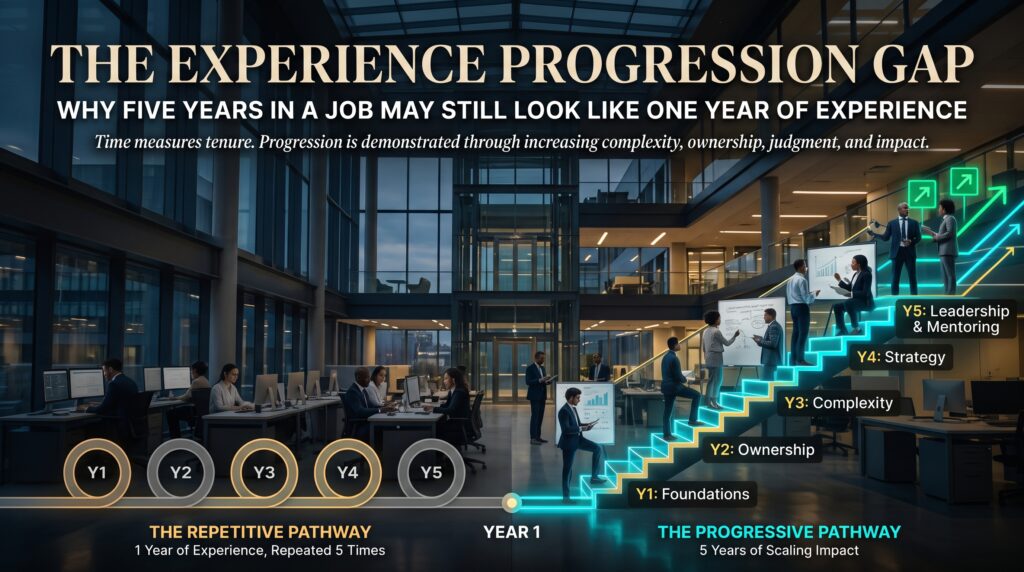
For each past role on your career changer resume, write down three things you improved, fixed, saved, launched or delivered. Add a number wherever you can: hours saved, customers served, dollars managed, errors reduced. Estimates are fine as long as they are honest.
Step 3: Map each achievement to a target skill
Match every achievement to a word from your highlighted list. Reducing queue times becomes process improvement. Tracking weekly sales in a spreadsheet becomes data reporting. This step is where the translation actually happens.
Step 4: Rewrite using Action + Skill + Result
Use a simple formula for every bullet. Here is a before and after:
- Before: Responsible for ordering and managing stock.
- After: Analysed weekly stock data in Excel and adjusted ordering, cutting waste by 18% and saving around $9,000 a year.
Step 5: Add proof that backs up the new language
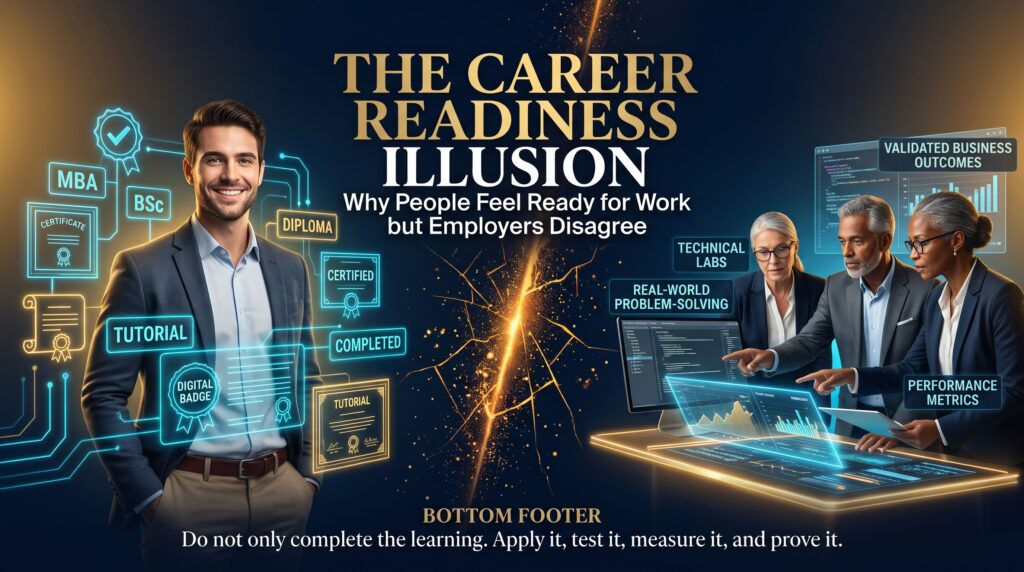
A translated bullet on your career changer resume is stronger when something supports it. That might be a small portfolio project, a short course, a recognised certification or a volunteer task. Proof tells the employer you are not just using new words, you are using new skills.
Common Career Changer Resume Mistakes to Avoid
- Buzzword stuffing. Dropping “agile” or “data-driven” everywhere without an example makes the resume weaker, not stronger.
- Pretending to have experience you do not have. Translate honestly. If you have not managed a project, do not say you have. Say you coordinated a team event or a store refit.
- A vague summary. Replace “motivated professional seeking new challenges” with a two or three line summary that names the target role and your most relevant strengths.
- Leaving LinkedIn behind. Your headline and About section should use the same new vocabulary as your resume, because many recruiters check both.
Mistakes at the interview stage can undo a strong career changer resume too. Our post on why hiring managers reject qualified candidates covers the interview side of the same problem.
Which Skills Translate Best Across Careers?
On any career changer resume, some skills travel better than others, and knowing which ones helps you build your career changer resume around a realistic target role. Customer service experience transfers well into IT support and business analysis. Administration and coordination experience transfers into project coordination and Scrum roles. Anyone who works comfortably with numbers, from retail to accounting to logistics, can build on that base towards data analytics and Power BI reporting. Attention to detail and a methodical approach are valued in software testing, while people used to handling sensitive information often adapt well to cyber security and compliance.
The Jobs and Skills Australia website publishes labour market information that shows which occupations are growing, and the government’s MySkills portal lets you search nationally recognised training and see how it connects to occupations. Both are useful when choosing a direction.
Where Career Changer Training Fits: Sydney, Melbourne, Brisbane, Perth, Adelaide and Canberra
Sometimes even a well-written career changer resume is not enough, because you genuinely need the skills the ad asks for. In that case, structured training closes the gap faster than trial and error, and it gives you real material to put on your resume. Demand differs by city, so it is worth thinking about where you plan to work.
- Sydney: Large finance, consulting and technology employers create steady demand for business analysts and data analysts. Explore business analyst training and data analytics courses.
- Melbourne: A busy mix of tech, health and professional services makes it a strong market for agile and project roles. See Scrum Master certification and Power BI training.
- Brisbane: Growth in infrastructure, government and digital services supports project and IT careers. Browse IT courses built for beginners.
- Perth: Resources and engineering businesses increasingly rely on data and security skills. Look at cyber security courses.
- Adelaide: Defence, health and technology employers keep local demand steady for software testing and IT roles. Check software testing courses.
- Canberra: Federal agencies and contractors hire across cyber security, business analysis and project delivery. Start with job-ready programs.
Prefer to study from home? Many programs run online, so location matters less for training than for job hunting. You can see the full range of options at Logitrain or start with the Job Ready Programs hub.
Frequently Asked Questions About Career Changer Resumes
How do I write a career changer resume with no direct experience?
Lead with a short summary naming your target role, then translate your past achievements into the new field’s vocabulary. Add projects, short courses or volunteer work as proof.
Should a career changer use a functional or chronological resume?
A hybrid format usually works best. Open with a skills summary tied to the target role, then list your work history in reverse order. Pure functional resumes can look like they are hiding something, and some ATS tools read them poorly.
How long should a career change resume be in Australia?
Two pages is a sensible limit for most applicants. Keep the most relevant achievements on page one, and trim anything that does not support the role you are applying for.
Can a short course really help a career change?
It can help by giving you genuine skills, current vocabulary and proof for your resume. It will not guarantee a job, so pair training with a well-translated resume and active networking.
Final Thoughts: Say It in the Language They Hire In
Most career changers are not short of valuable experience, and a good career changer resume proves it. They are short of a translator. When you rewrite your career changer resume in the language of the job you want, the same history suddenly looks relevant, deliberate and ready. Start with one role, one achievement and one job ad this week. Rewrite it, test it and build from there.
If you want structured support, explore the practical job-ready programs designed to help Australian career changers build current skills, create proof and speak the language employers recognise.